
suzhou peptides, peptides
Safety Tips for Handling Peptides in Your Research | Suzhou Peptides
Feb
Safety Tips for Handling Peptides in Your Research
Peptides are essential tools in modern research, particularly in fields like pharmaceuticals, diagnostics, and biotechnology. However, handling peptides requires specific precautions to ensure safety, quality, and integrity in your experiments. Whether you’re a researcher or a lab technician, following proper safety guidelines is crucial to protecting yourself and maintaining the quality of your work.
At Suzhou Peptides, we specialize in synthesizing high-quality peptides for various applications. Whether you’re purchasing peptides for inflammation research, cell regeneration, or pharmaceutical development, safety should always be your top priority.
Why Is Peptide Safety Important in Research?
Peptides are highly potent and biologically active molecules. As such, handling them improperly can result in exposure to harmful substances or contamination of your samples. It is important to follow safety protocols to protect both researchers and the integrity of the experiment. Safety measures are not only important for personal health but also for achieving reliable and reproducible results in peptide-based research.
Essential Safety Tips for Handling Peptides
Handling peptides safely requires both understanding their potential risks and taking the necessary precautions. Here are some essential safety tips to ensure that your research remains both effective and safe.
1. Wear Protective Gear
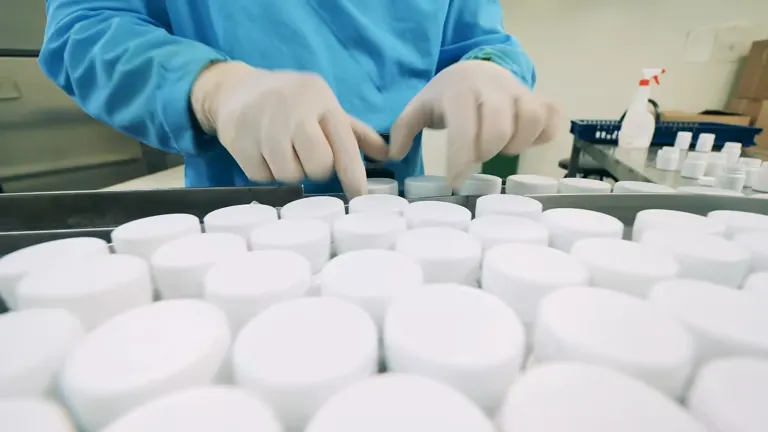
Always wear appropriate personal protective equipment (PPE), including:
-
Lab coat: To protect against spills.
-
Gloves: To prevent skin exposure.
-
Safety goggles: To protect eyes from accidental splashes or exposure to aerosols.
-
Face mask or respirator: In case you’re working with aerosolized peptides or highly potent peptides.
2. Store Peptides Properly
Peptides can be sensitive to temperature, light, and moisture. Ensure you follow the manufacturer’s guidelines for proper storage to maintain their stability and purity. Most peptides should be stored in:
-
Freezers (usually at -20°C to -80°C) for long-term storage.
-
Desiccators or airtight containers to prevent moisture exposure.
-
Away from direct sunlight to avoid degradation.
At Suzhou Peptides, we ensure our peptides are shipped under conditions that maintain their stability, so they arrive at your facility in perfect condition for your experiments. Tips for Handling Peptides
Explore Our Peptides Storage Options
3. Work in a Well-Ventilated Area
When working with peptides, especially in powder form, it’s important to perform tasks like weighing or dissolving peptides in a well-ventilated area. This prevents inhalation of potentially harmful peptide particles and ensures your workspace remains safe.
Consider working in a biosafety cabinet or fume hood to reduce exposure to aerosols and fumes.
4. Follow Proper Disposal Protocols
When handling peptides, waste disposal is critical. Used gloves, containers, and other materials should be disposed of properly in accordance with your lab’s safety protocols and local regulations. For peptide waste, use biohazard waste containers or containers designated for chemical waste disposal. Tips for Handling Peptides
5. Be Aware of Potential Contamination Risks
Peptides are highly sensitive to contamination. Always:
-
Use clean, sterile equipment when handling peptides.
-
Avoid touching peptide samples with bare hands.
-
Ensure that work surfaces and tools are decontaminated after each use.
6. Read and Understand Safety Data Sheets (SDS)
Peptide suppliers should provide you with Safety Data Sheets (SDS) for each peptide. Always read and familiarize yourself with the SDS to understand the potential hazards and handling instructions for each peptide. These sheets provide essential information, including: Tips for Handling Peptides
-
Toxicology data.
-
First aid measures.
-
Proper storage and disposal guidelines.
Shop for High-Quality Peptides with SDS Info
High-Purity Peptides vs. Standard Peptides: Which One to Choose?
When selecting peptides for research, the quality and purity of the peptides are paramount. Here’s a comparison of high-purity peptides versus standard peptides to help you make the right choice. Tips for Handling Peptides
High-Purity Peptides: Ideal for Sensitive Research
High-purity peptides (typically 95% pure or higher) are perfect for studies requiring precision and accuracy. They ensure that your research results are reliable, minimizing the risk of contamination or inaccuracies in experiments, especially when researching sensitive topics like inflammation or cell regeneration.
Standard Peptides: Suitable for Broader Applications
Standard peptides are often lower in purity (around 70%-85%) and can be more cost-effective for applications where the absolute purity of the peptide is less critical. These are suitable for broader research needs but may not provide the high-level consistency required for specialized research.
For the best outcomes, we recommend high-purity peptides for your most sensitive research. Tips for Handling Peptides
Shop High-Purity Peptides for Research
Why Choose Suzhou Peptides for Your Research?
At Suzhou Peptides, we pride ourselves on providing high-quality peptides for pharmaceutical, diagnostic, and research purposes. With a focus on quality and safety, we ensure that every peptide you purchase from us meets the highest standards.
-
Global Presence: With a facility in Suzhou, China, and a branch in the USA, we serve researchers around the world, including in the US, EU, Canada, Korea, Japan, Russia, and Australia.
-
Premium Peptides: We offer both high-purity peptides and standard peptides, allowing you to choose the best option for your specific research needs.
-
Reliable Shipping: We ensure safe and quick delivery to keep your research on track. Tips for Handling Peptides
Frequently Asked Questions (FAQ)
1. How should I store peptides to maintain their quality?
Peptides should be stored in a freezer at -20°C or lower, protected from light and moisture, and placed in airtight containers to prevent degradation. Tips for Handling Peptides
2. What safety equipment do I need when handling peptides?
You should wear gloves, a lab coat, safety goggles, and a mask to ensure safety when handling peptides in the laboratory.
3. How can I avoid contamination when working with peptides?
Always use sterile equipment, avoid direct contact with peptides, and clean surfaces and tools after each use to minimize the risk of contamination. Tips for Handling Peptides
4. What are high-purity peptides, and why are they important?
High-purity peptides are peptides with a purity level of 95% or higher. They are ideal for sensitive research as they provide accurate, reliable, and reproducible results.
When conducting peptide-based research, safety is crucial for both personal protection and ensuring the integrity of your results. By following proper handling, storage, and disposal guidelines, you can minimize risks and achieve the best outcomes in your research. Whether you’re looking for high-purity peptides for sensitive research or standard peptides for larger studies, Suzhou Peptides provides premium peptides for all your needs.
Ready to enhance your research with the highest-quality peptides? Shop Now at Suzhou Peptides and ensure the safety and success of your experiments.
